
CN (7)
website 7
CN (18)
website 4
CN (4)
icon

P.E

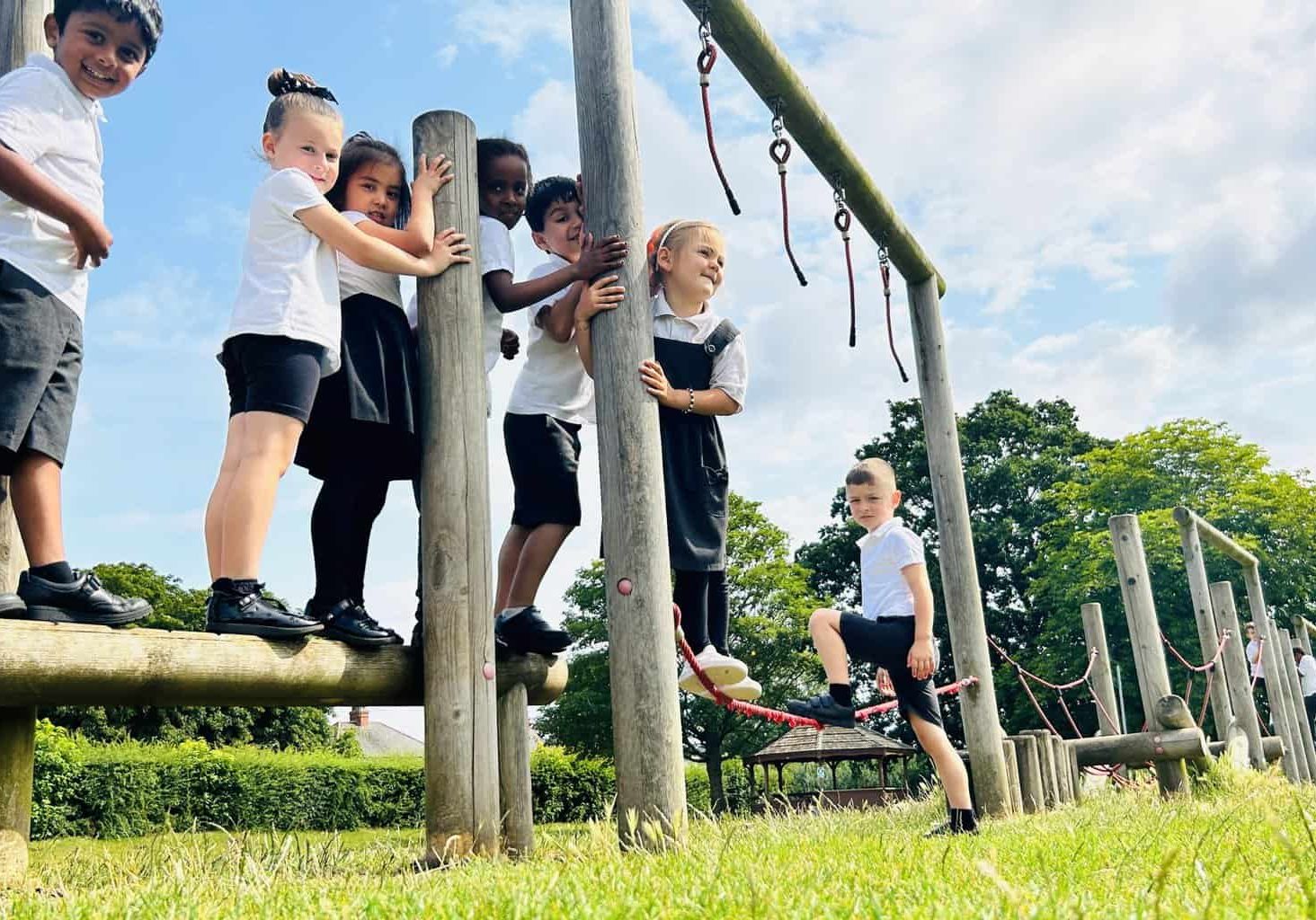
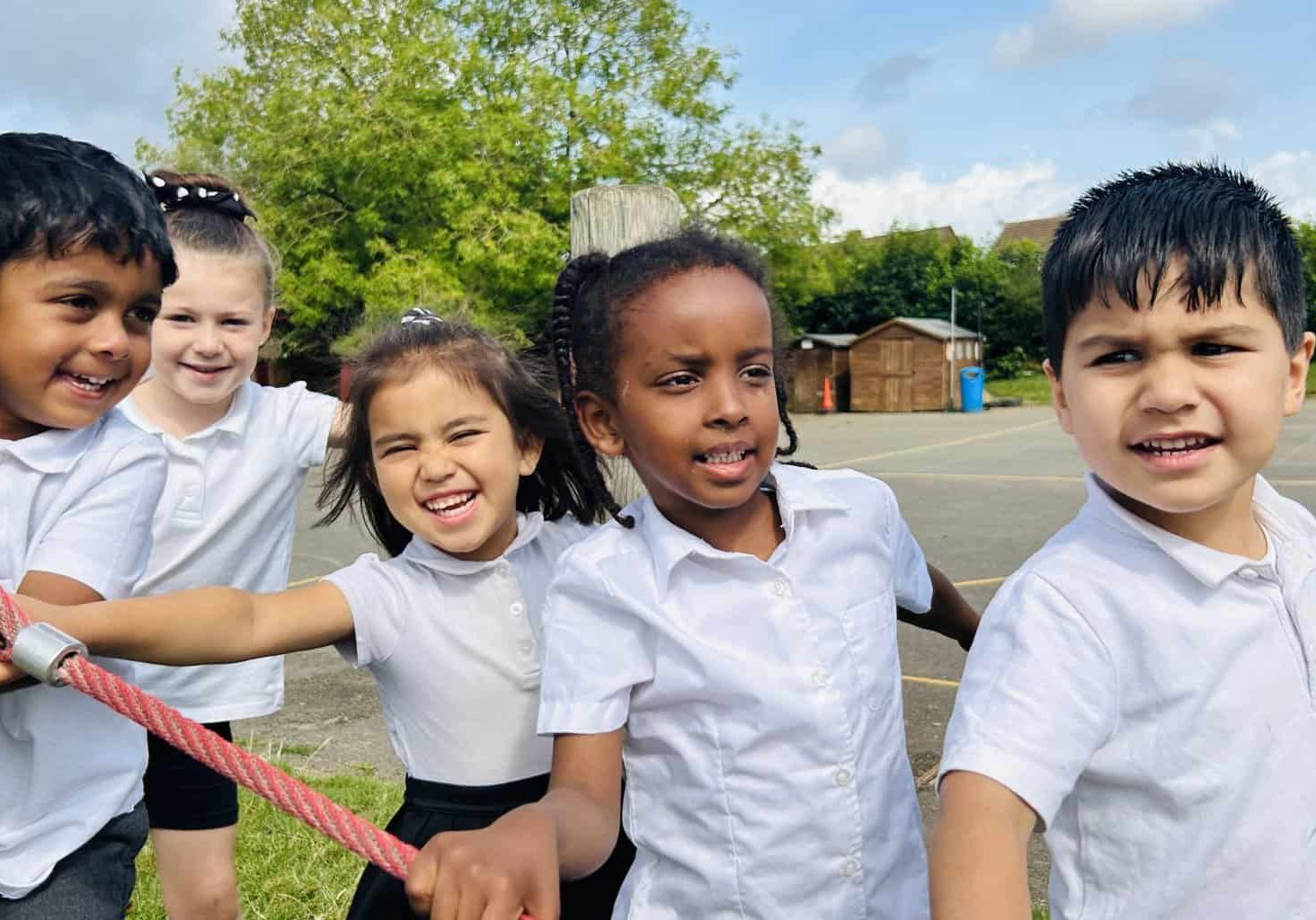
At Chestnuts, we believe that Physical Education (P.E.) is essential to the development of the whole child, both for physical health but also for keeping mentally healthy. We encourage all children, from Early Years to Year 6 to maintain a healthy lifestyle, understand the importance of keeping fit and develop a love of sport. We teach them to be safe while exercising and ensure that all children are able to access P.E., improve their knowledge and skills and empower them to feel successful regardless of their starting points.  

Progressive learning objectives, combined with sympathetic and varied teaching approaches, provide the children with opportunities to learn and try new sports and to develop and improve their physical skills. We understand the importance of the children revisiting prior learning before being introduced to new knowledge and skills. With this in mind, we have designed our curriculum in a way which allows the children to revisit concepts. For example, through the strand of Athletics, in Early Years the children learn to run, jump and throw objects safely. Moving into Key Stage One, the children develop these skills further and learn to perform the movements with greater accuracy. In Key Stage Two, they learn to apply these skills to competitive situations. Developing this knowledge and their skills enables the children to be prepared to access the P.E. curriculum at secondary school.  

Through P.E. lessons, the children are also taught a range of additional skills, such as collaboration, perseverance and sportsmanship. We are incredibly proud of the attitudes of our children and how well they support each other and people on opposing teams when we take part in friendlies, competitive matches or tournaments.  

We also offer a range of extracurricular sports-based activities and encourage all children to participate and have fun should they wish to. These are offered both during lunchtime and after school to a range of different age groups. Some are provided by our staff and others are run by external providers. This ensures that the children are provided with a range of high-quality experiences.  

Why is swimming important?
Swimming is a vital life skill and a statutory part of the National Curriculum for Physical Education. All primary schools must provide swimming and water safety lessons in either Key Stage 1 or Key Stage 2.
By the end of Year 6, pupils are expected to:
Swim competently, confidently and proficiently over at least 25 metres
- Use a range of strokes effectively (e.g. front crawl, backstroke, breaststroke)
- Perform safe self-rescue in different water-based situations
Impact
We track and report on swimming attainment to ensure strong outcomes for all pupils.
2024-2025:
- 70% of pupils swim 25 metres by the end of Year 6
- 42% of pupils can use a range of strokes effectively
- 100% of pupils can perform safe self-rescue
- The majority of pupils show clear progress from their starting points, including non-swimmers
When and where do lessons take place?
Swimming lessons take place at Leon Leisure Centre.
- Classes attend swimming during Year 5.
- Lessons are weekly for half a term
- Sessions are led by qualified swimming instructors, supported by school staff.
What will children learn?
Our swimming curriculum develops both skill and safety. Pupils will learn:
Swimming skills
- Water confidence and basic movement
- Floating, gliding and breathing techniques
- Stroke development (front crawl, backstroke, breaststroke)
Water safety
- How to stay safe around different environments (pools, rivers, sea)
- What to do in an emergency
- Safe self-rescue techniques
How are lessons organised?
- Children are grouped by confidence and ability
- Progress is assessed throughout the programme
- Staff ensure all pupils are supported appropriately
What do children need to bring?
- Swimming costume / trunks
- Towel
- Swimming cap (if required)
- Goggles (optional)
Safety and supervision
We take safety very seriously:
- Lessons are delivered by qualified instructors
- Lifeguards are always present
- Appropriate adult-to-pupil ratios are maintained
- Risk assessments are in place
Supporting your child
Parents play an important role in building confidence:
- Encourage your child to feel positive about swimming
- Practise swimming outside school
- Talk about staying safe around water